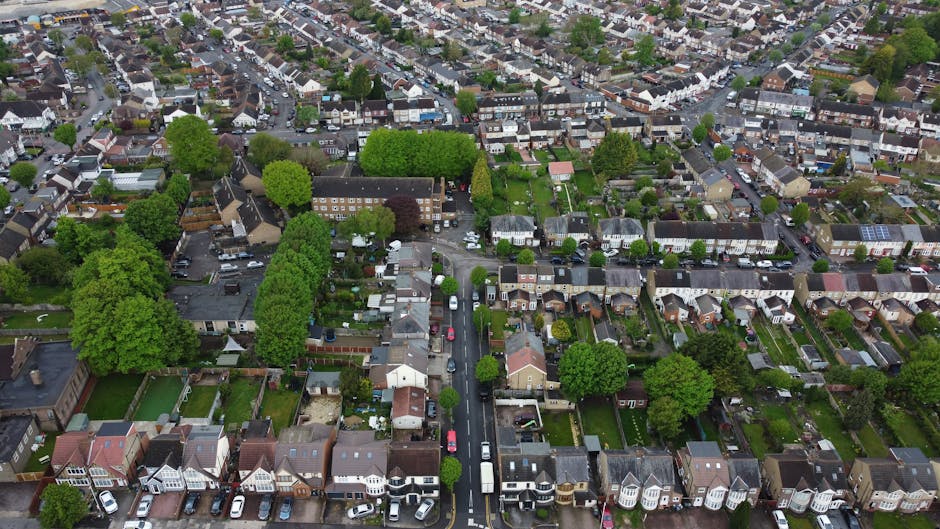
Thornton Heath Pond Front Garden Gardeners and Maintenance: A Practical Local Guide
If your front garden is the first thing people see, it needs to do a bit more than simply survive. It should look cared for, feel welcoming, and stay manageable through wet weeks, dry spells, leaf fall, and the usual London scatter of life. That is where Thornton Heath Pond front garden gardeners and maintenance really comes into its own. Whether you have a small paved frontage, a tidy lawn with borders, or a more ambitious planted display, the right upkeep makes the whole property feel sharper straight away.
Front gardens are different from back gardens. They work harder. They face the street, the weather, and often a quicker turnover of mess than people expect. In practice, that means pruning, mowing, edging, cleaning, plant care, waste removal, and regular attention all matter. This guide breaks down how it works, what to watch for, and how to decide what kind of help makes sense for your space.
Contents
- Why Thornton Heath Pond front garden gardeners and maintenance matters
- How Thornton Heath Pond front garden gardeners and maintenance works
- Key benefits and practical advantages
- Who this is for and when it makes sense
- Step-by-step guidance
- Expert tips for better results
- Common mistakes to avoid
- Tools, resources and recommendations
- Law, compliance, standards, or best practice
- Options, methods, or comparison table
- Case study or real-world example
- Practical checklist
- Conclusion
- Frequently asked questions
Why Thornton Heath Pond front garden gardeners and maintenance Matters
A front garden is not just decoration. It is part of the overall condition of your home, and it affects how the property feels before anyone even reaches the door. A crisp hedge, healthy planting, and tidy edges say a lot. So does the opposite, to be fair.
In a neighbourhood like Thornton Heath Pond, where many homes have visible frontages close to the pavement or roadway, small issues become noticeable quickly. A bed that is slightly untidy one week can look fully neglected the next, especially after rain, wind, or a burst of growth in spring. Regular front garden maintenance stops the space from drifting into that tired, overgrown look.
There is also a practical side. Front gardens often contain paths, steps, boundary hedges, low walls, or planting close to access points. If these areas are not maintained, they can become slippery, cluttered, or awkward to use. And nobody wants to wrestle with a bramble bush at 8 a.m. while trying to leave for work.
Another reason it matters is continuity. A good gardener does not simply "cut things back." They watch how the space behaves through the year. Which shrubs thicken out? Where does moss build up? Which plants suffer from shade, drought, or salt spray from the road? That kind of ongoing attention is what keeps a front garden looking intentional rather than accidental.
If you want a broader overview of what ongoing care can include, the garden maintenance service page is a useful place to understand the kind of routine work that keeps outdoor spaces under control.
How Thornton Heath Pond front garden gardeners and maintenance Works
Front garden care usually starts with an assessment of the space. A gardener will look at plant health, soil condition, access, drainage, boundary lines, edging, and any problem areas such as weeds, overgrowth, damaged planting, or awkward corners. That first look matters because front gardens are often small, which means every decision changes the overall feel quite a lot.
From there, maintenance is typically shaped into a routine. Some gardens need weekly attention in the growing season. Others only need fortnightly or monthly visits, with a heavier spring and autumn reset. The right schedule depends on how much growth you have, how tidy you want the space to stay, and whether the garden is ornamental, low-maintenance, or somewhere in between.
Common tasks in front garden maintenance include:
- mowing compact lawns and keeping edges sharp
- deadheading flowers and removing faded growth
- weeding borders, paths, and paving joints
- hedge trimming and shaping boundary planting
- pruning shrubs to keep them healthy and balanced
- clearing leaves, twigs, and seasonal debris
- refreshing mulch or soil conditioners where needed
- checking for pests, disease, or stressed plants
- keeping access routes and visibility clear
Sometimes the work is light and consistent. Sometimes it turns into a proper tidy-up. A front garden can hide a surprising amount of work behind a neat surface, especially if the planting is mature or the area has been left for a while.
When the front of the property needs more than maintenance alone, a gardener may also recommend broader improvements through landscape gardening or, where hard surfaces and layout changes are involved, landscaping. That can mean reworking beds, improving drainage, or reshaping the area so it is easier to care for going forward.
Key Benefits and Practical Advantages
The obvious benefit is appearance. A maintained front garden instantly lifts kerb appeal. But the better value is often in the quiet, everyday benefits that people only notice once they are missing.
1. Less stress, less mess. Regular maintenance stops jobs from snowballing. One missed month is manageable. Three missed months can mean a tangle of weeds, heavy pruning, and a very un-fun Saturday.
2. Better plant health. Trimming at the right time, watering sensibly, and removing dead material all help plants grow better. Healthy shrubs and borders are usually easier to keep tidy too.
3. Safer access. Clear paths, neat edges, and controlled growth reduce the chance of trips, slippery spots, or blocked entrances.
4. Stronger first impression. If you are selling, letting, hosting, or simply taking pride in your home, a well-kept front garden makes the whole property feel more polished.
5. Better use of small spaces. Many front gardens in Thornton Heath Pond are compact. Good maintenance makes a small space feel intentional, not cramped.
6. Lower long-term cost. Regular care is usually cheaper and easier than repeatedly rescuing an overgrown garden. That is just the honest version.
Expert summary: front garden maintenance works best when it is routine, proportionate, and responsive. The aim is not perfection every day. The aim is to keep the garden healthy, tidy, and easy to live with through the year.
Who This Is For and When It Makes Sense
Not every front garden needs the same level of service. Some people want a pristine display border. Others just want the place to stop looking neglected. Both are valid, really.
This kind of gardener and maintenance support makes sense if you are:
- a homeowner who wants a neat, low-drama frontage
- a landlord keeping the property presentable between tenancies
- a busy family that cannot keep up with frequent mowing or pruning
- an older resident who would rather avoid heavier outdoor work
- someone preparing to sell or rent out a property
- a person dealing with overgrowth after a period of neglect
It also makes sense if your front garden includes awkward plants, a hedge that needs regular shaping, or a design that looks good only when it is kept on top of. Front gardens are often deceptively fiddly. A bit of box trimming here, a little leaf clearing there, and suddenly the whole job is half a day gone.
If waste is the main issue, you may need a broader clear-out first. In that case, garden clearance can be the more sensible starting point before routine maintenance begins.
There is also a practical crossover with lawn care. Small front lawns can look shabby quickly, especially if they are cut too short or ignored in wet weather. A dedicated lawn mowing service can be a simple way to keep the frontage neat without overworking the grass.
Step-by-Step Guidance
If you want to manage a front garden well, start with a simple structure. The best maintenance plans are not complicated. They are steady.
- Walk the space properly. Look at it from the street, from the front door, and from any side access. What stands out first? What looks uneven? What blocks light or movement?
- Remove obvious clutter. Loose pots, dead branches, fallen leaves, and damaged material should go first. It is easier to assess the garden once the noise is gone.
- Deal with weeds and edges. Weed borders, cracks, paving joints, and the base of hedges. Then re-cut the edges so the garden has shape again.
- Check planting health. Remove dead stems, trim back straggly growth, and look for signs of disease or poor watering.
- Shape hedges and shrubs carefully. A clean line matters, but avoid hard cuts unless the plant can handle them. If you are unsure, lighter shaping is usually safer.
- Refresh the surface. Add mulch, gravel top-up, or soil conditioner where it helps. Small improvements can make the front garden look cared for very quickly.
- Set a maintenance rhythm. Decide whether the space needs weekly, fortnightly, or monthly attention. If in doubt, start a little more frequent, then adjust.
- Review after a month. If it starts to look tired again too quickly, the schedule is too light. If it is staying perfect with time to spare, you may be able to ease back a little.
That final review is often skipped. Shame, because it is where the clever saving happens.
Expert Tips for Better Results
A few small decisions can make a big difference. In our experience, front gardens are won or lost in the details.
Keep the planting structure simple. A small front garden usually works best with reliable evergreen shape, a few seasonal accents, and not too many needy plants competing for space. If everything is fussy, the maintenance burden rises fast.
Trim little and often. Regular shaping is easier on plants than occasional heavy cuts. This is especially true for hedges and compact shrubs, where a rough chop can leave a garden looking blunt instead of neat.
Think about sightlines. A front garden should look good from the street, but it also should not block windows, gates, or the approach to the house. That balance is easy to miss until the bush has grown right into the path.
Use the weather wisely. After a damp spell, weeding is easier and more effective. In dry periods, pruning and soil work may be simpler, but watering needs to be handled carefully. Morning light often tells you more than you expect; you can spot uneven growth, patchy turf, and tired leaves straight away.
Do not overfeed the garden. A front garden that is constantly pushed to grow too fast becomes harder to maintain. Sometimes moderation is the best design tool.
Be selective with hard landscaping. If the garden needs paths, borders, edging, or a small structure, keep maintenance in mind from the beginning. A beautiful idea that is impossible to clean is, well, not such a great idea after all.
If a decorative structure or timber feature is part of the frontage, options like decking services may be relevant where the layout allows it. Just make sure any addition still fits the size and upkeep level of the garden.
Common Mistakes to Avoid
Front garden jobs often go wrong in the same few ways. The good news is that most of them are avoidable.
- Letting the garden get too far behind. Once the space is heavily overgrown, maintenance turns into recovery work. That is more expensive and less satisfying.
- Cutting hedges and shrubs too hard. A hard cut can leave bare patches, weaken the plant, or upset the shape for months.
- Ignoring borders and edges. People focus on the visible middle and forget the edges. Then the whole garden looks messy anyway.
- Using one-off clean-ups as a long-term plan. A tidy-up is helpful, but without follow-up it rarely lasts.
- Packing in too many plant varieties. Every extra plant type can mean more pruning styles, different watering needs, and a more complicated routine.
- Leaving waste on site too long. Stacked cuttings, pruned stems, and bags of debris quickly spoil the appearance of a neat front garden.
- Forgetting drainage and runoff. Wet front gardens can become compacted, mossy, or muddy if water movement is not considered.
There is a slightly boring truth here: most good front gardens are not the result of one big transformation. They are the result of repeated small decisions made before things become a problem. Not glamorous, but it works.
Tools, Resources and Recommendations
For straightforward front garden maintenance, the right tools matter more than people think. You do not need a shed full of kit, but you do need a sensible basic set.
Useful tools for routine care:
- sharp secateurs for precise pruning
- hedge shears or a hedge trimmer for shaped boundaries
- lightweight lawn mower for compact lawns
- hand fork and trowel for weeding and replanting
- stiff broom for paths, steps, and edging
- gloves and eye protection for safety
- green waste bags or a clear disposal plan
Useful maintenance habits:
- keep a simple calendar for seasonal jobs
- check after windy or wet weather
- spot-treat small issues rather than waiting
- record what was pruned and when
- leave space around plants so air can move
When to get help:
- if hedges are too tall or awkward to reach safely
- if the garden has become physically difficult to clear
- if a tree is affecting light, space, or safety
- if you want a cleaner finish than a quick DIY tidy-up can provide
For bigger vegetation issues, especially where height or risk is involved, tree lopping and removal may need to be considered carefully and handled by someone who knows what they are doing. Trees are one of those things that look simple until they are not.
If the garden is part of a wider service plan, it can help to look at the full services overview so the work is organised in a way that actually suits the property, not just the moment.
Law, Compliance, Standards, or Best Practice
Front garden maintenance in the UK is usually straightforward, but a few good-practice points are worth keeping in mind. The aim is not to overcomplicate things; it is to avoid preventable problems.
Waste handling: garden waste should be managed responsibly. Cuttings, hedge trimmings, and clearance material should not simply be left to rot where they cause a nuisance. A proper disposal or recycling approach is best practice.
Safety: if work involves ladders, cutting tools, powered equipment, or overgrown areas near roads and paths, safety comes first. A professional gardener should work with sensible precautions and suitable insurance. If you are comparing providers, their approach to insurance and safety matters more than a flashy promise.
Access and visibility: front gardens should not create hazards for residents, visitors, or passers-by. Overgrown hedges, low branches, and slippery surfaces can all become issues if ignored.
Neighbour awareness: if work is close to a shared boundary, good communication helps. It is a small thing, but it prevents avoidable friction.
Best practice: keep the maintenance proportionate to the garden's design. Some spaces are meant to be formal and trimmed; others work better with softer, more natural planting. Good gardeners read the space rather than forcing it into one style.
It is also sensible to understand how bookings, deposits, and payment arrangements are handled before work begins. The details are unglamorous, yes, but they matter. A quick look at payment and security and terms and conditions can save confusion later.
Options, Methods, or Comparison Table
Not every front garden needs the same approach. Here is a simple comparison of common maintenance styles.
| Approach | Best for | Pros | Limitations |
|---|---|---|---|
| DIY upkeep | Small, simple gardens with light growth | Low cost, flexible timing, hands-on control | Can become inconsistent; heavy jobs are harder |
| Regular gardener visits | Homes that need steady presentation | Reliable standard, less stress, easier planning | Requires a recurring budget and access |
| One-off tidy-up then monitor | Gardens that are mostly manageable | Good reset, useful before a sale or event | Needs follow-up or the garden drifts again |
| Clearance plus maintenance plan | Overgrown or neglected front gardens | Transforms the space, creates a clean baseline | More upfront effort than routine care |
If the garden feels too far gone for a light-touch visit, a combined clearance-and-maintenance approach usually gives the best long-term result. A quick tidy often does not solve a bigger layout or growth problem, and that is where some jobs get stuck in a loop.
Case Study or Real-World Example
Here is a realistic example from the kind of situation people often bring up. A small front garden in Thornton Heath Pond had a short lawn, a narrow border, and one hedge running along the boundary. On paper, it sounded easy. In reality, the hedge had become uneven, the border was crowded with self-seeded weeds, and the lawn had started to thin where foot traffic kept cutting across the edge.
The solution was not dramatic. The space did not need a full redesign. It needed structure. The overgrowth was reduced, the hedge was shaped back into a clean line, weeds were removed, the border was mulched, and the lawn edge was redefined so the access point felt obvious again. After that, the whole front of the property looked calmer. Not flashy. Just decent. Which, honestly, is what most people want.
What made the difference was follow-up. Instead of waiting until the garden had slipped again, the homeowner moved to a simple maintenance rhythm. The result was far easier to keep under control, and the frontage stopped becoming a monthly headache.
That sort of transformation is common. Not every garden needs a radical makeover. Often, it just needs the right sequence of attention at the right time.
Practical Checklist
Use this checklist if you want a front garden that stays tidy without becoming a constant chore.
- Clear loose debris from paths, borders, and the doorstep area
- Remove weeds from beds, paving, and edges
- Check hedge and shrub shapes from the street view
- Trim only what is needed, not everything in sight
- Inspect lawn health and mowing height
- Look for moss, drainage issues, or compacted soil
- Refresh mulch or soil where plants need support
- Dispose of cuttings properly
- Review access points and safety hazards
- Set the next maintenance date before leaving it too long
If you can keep those ten points moving, the front garden will usually behave itself. Usually.
Conclusion
Thornton Heath Pond front garden gardeners and maintenance is really about keeping your home's first impression healthy, tidy, and manageable over time. The best results come from consistent care, sensible plant choices, and a maintenance routine that fits the size and character of the space. When the work is done well, the garden feels easy rather than demanding, which is exactly what most people are after.
Whether your front garden needs a light refresh, regular upkeep, or a more substantial reset, the smartest next step is to work from the actual condition of the space, not just the idea of what it could be. That saves time, money, and a fair bit of frustration. And there is something quietly satisfying about walking past a front garden that just looks right.
If you are comparing service levels, checking what is included, or planning a clear start point for your frontage, take a look at the relevant service pages and decide what suits the property best. A little structure now can save a lot of scrambling later.
Get a free quote today and see how much you can save.
Frequently Asked Questions
What does front garden maintenance usually include?
It usually includes weeding, pruning, hedge trimming, lawn care, edging, debris removal, and general tidying. Some gardens also need soil care, mulching, or light replanting to stay in good shape.
How often should a front garden be maintained?
That depends on how fast the plants grow and how tidy you want the garden to look. Many front gardens do best with weekly or fortnightly attention during the growing season, then lighter checks in winter.
Is Thornton Heath Pond front garden gardeners and maintenance suitable for small spaces?
Yes, especially small spaces. In fact, compact front gardens often benefit the most because every edge, plant, and path is visible. A little regular care goes a long way.
What if my front garden is badly overgrown?
If the space has become heavily overgrown, a clearance visit is usually the right starting point. Once the garden is reset, routine maintenance becomes much easier and less costly to keep up.
Can front garden maintenance help improve kerb appeal?
Absolutely. Neat planting, clean edges, controlled hedges, and a clear entrance all improve how the property looks from the street. It is one of the simplest ways to lift the whole frontage.
Do I need a gardener if I only have paving and a few plants?
Even simple frontages need attention. Paving gathers weeds, moss, and debris, while small planting areas can look untidy quickly. A light maintenance routine is often enough.
What is the difference between garden maintenance and landscaping?
Garden maintenance is about keeping an existing garden in good condition. Landscaping is broader and may involve changing the layout, adding structures, or reworking the space more substantially.
How do I know if my front hedge needs trimming?
If it is starting to block windows, paths, visibility, or the natural line of the garden, it probably needs attention. Uneven growth and a shaggy outline are also clear signs.
Are there safety issues with front garden work?
Yes, especially when using ladders, sharp tools, or powered equipment near public-facing areas. Safe methods, sensible handling, and proper insurance are important.
What should I ask before booking a gardener?
Ask what tasks are included, how often visits are recommended, how waste is handled, what the timing looks like, and whether the service is suited to your garden's current condition.
Can front garden maintenance be seasonal?
Yes, and often it should be. Spring and summer usually need more frequent visits because of growth, while autumn often brings leaf clearing and winter prep. The exact schedule depends on the planting and layout.
How do I keep maintenance costs sensible?
Keep the layout manageable, choose plants that suit the space, and avoid letting the garden get too far behind. Regular small jobs are usually cheaper than emergency catch-up work.
What should I do before a gardener arrives?
Clear access, remove fragile items, note any problem areas, and be ready to explain what you want most: tidiness, shaping, clearance, or simple ongoing upkeep. A clear brief saves time for everyone.
For more about the team behind the work, you can also visit about us, or if you are ready to discuss your garden, the contact us page is the best next stop.