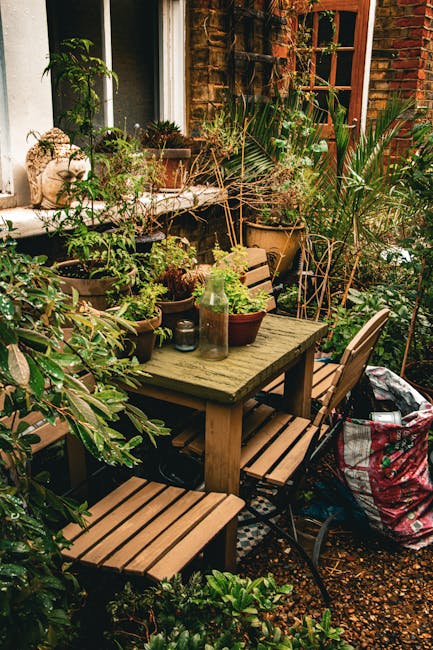
Thornton Heath Station area gardeners for tiny urban gardens
If you live near Thornton Heath Station, you already know the challenge: a tiny outdoor space that has to work hard all year, often with little sun, plenty of shade, and neighbours close by. The good news is that Thornton Heath Station area gardeners for tiny urban gardens can turn even a narrow yard, small courtyard, balcony-style plot, or awkward back garden into something calm, useful, and genuinely lovely. You do not need a huge budget or a massive lawn. You need smart choices, steady maintenance, and a design that suits everyday life in a busy London setting.
This guide walks through what local gardeners actually do for compact spaces, how the process works, and which ideas make the biggest difference. We will cover planting, layout, maintenance, common mistakes, compliance basics, and what to expect if you want a professional helping hand. And yes, tiny gardens can be beautiful. Sometimes they are better than big ones, to be fair.
Table of Contents
- Why Thornton Heath Station area gardeners for tiny urban gardens Matters
- How Thornton Heath Station area gardeners for tiny urban gardens Works
- Key Benefits and Practical Advantages
- Who This Is For and When It Makes Sense
- Step-by-Step Guidance
- Expert Tips for Better Results
- Common Mistakes to Avoid
- Tools, Resources and Recommendations
- Law, Compliance, Standards, or Best Practice
- Options, Methods, or Comparison Table
- Case Study or Real-World Example
- Practical Checklist
- Conclusion
- Frequently Asked Questions
Why Thornton Heath Station area gardeners for tiny urban gardens Matters
Small gardens in and around Thornton Heath Station face a very specific set of pressures. Space is tight, light is often uneven, and the garden needs to stay tidy because there simply is not much room for things to "blend in." One overgrown shrub can make the whole area feel cramped. One badly placed pot can block the only walking line. Tiny gardens show every decision, which is exactly why thoughtful gardening matters so much.
Local gardeners understand how to work with the realities of urban plots: shadow from nearby buildings, boundary walls, compact side returns, paving that overheats in summer, and soil that may be patchy or tired. They also know the small wins that matter most. A slim planting bed can soften hard edges. A well-trimmed hedge can make a space feel taller and calmer. A simple deck or seating nook can turn a forgotten corner into the place where you actually want to sit with tea at 7:30 on a mild evening.
There is also a practical side. Tiny gardens are easier to neglect than larger ones because jobs build up quickly. One missed season of maintenance can create clutter, dead growth, blocked access, and a lot of stress. A good gardener keeps things manageable before the garden becomes a weekend-eating monster. Nobody wants that. Absolutely nobody.
If you are exploring broader support for ongoing care, a service like garden maintenance can help keep the space under control without turning it into a major project every time.
How Thornton Heath Station area gardeners for tiny urban gardens Works
The process usually starts with a proper look at the space, not just a quick glance. For small gardens, every square metre matters, so a good gardener will assess access, light, drainage, soil condition, privacy needs, storage problems, and how you actually use the space. Do you want somewhere to sit? A low-maintenance green retreat? A patch for herbs and pollinators? A child-friendly space? The answer changes the plan.
From there, work is usually split into layers. First comes clearing and tidying. Then comes structure: paths, edges, raised containers, simple screening, or perhaps a compact deck. Only after that do planting and finishing details make sense. That order matters. If you plant too early or add hard landscaping without thinking through circulation, the whole garden can feel cramped or awkward.
In tiny urban gardens, gardeners often focus on:
- space-saving planting schemes
- vertical interest such as climbers, wall planters, and trellis work
- hard surfaces that are easy to maintain
- shrub and hedge shaping to avoid visual clutter
- low-volume planting that still gives texture and colour
- clear access for bins, bikes, washing lines, or storage
Sometimes a garden just needs a reset. A simple tidy-up, a cutback, and a bit of structure can make it feel twice as large. If the plot has become cluttered with old pots, broken fixtures, or tangled growth, garden clearance may be the sensible first step before any design work begins.
Key Benefits and Practical Advantages
Hiring Thornton Heath Station area gardeners for tiny urban gardens is not only about making things look neat. It is about making a small outdoor area genuinely usable.
1. Better use of every corner
In a small garden, wasted space is obvious. Professional planning helps turn awkward dead zones into planting pockets, seating spots, or storage-friendly edges. Even a narrow strip beside a wall can become useful when it is planned carefully.
2. Less maintenance stress
A compact garden should not require constant rescue work. With the right planting mix and clear layout, the day-to-day upkeep becomes easier. That means less weeding, less cutting back, and fewer "I'll do it next weekend" moments that drag on for months.
3. More light and openness
Choosing slimmer plants, reflective surfaces, and the right pruning approach can lift a dark or enclosed garden. It is amazing how different a small space feels when it stops being visually heavy.
4. Improved privacy
Many small urban plots feel exposed. Strategic screening, hedge shaping, and layered planting can protect privacy without making the garden feel boxed in. There is a balance here. Too much screening, and it turns cave-like. Too little, and you feel on display.
5. Higher everyday enjoyment
This is the part people often underestimate. A tiny garden that is neat, green, and easy to sit in gets used. A lot. Morning coffee, an evening stretch of fresh air, a place to read for ten minutes. Tiny gardens become part of daily life when they are designed well.
Key takeaway
With small urban gardens, the goal is not to fit in everything. The goal is to choose the right few things and let them breathe.
Who This Is For and When It Makes Sense
This kind of gardening support suits a wide mix of people around Thornton Heath Station. Some have just moved in and inherited a tired little yard. Others have lived there for years and are fed up with a space that never quite works. And some simply want the garden to look decent without spending every Saturday elbow-deep in pruning waste.
It makes sense if you:
- have a small front or back garden that feels cluttered
- want a low-maintenance layout
- need privacy from neighbouring properties
- are trying to create room for seating, children, pets, or containers
- have an overgrown space that needs shaping before anything else can happen
- need help with ongoing maintenance rather than a one-off tidy
It also makes sense if you are thinking about improvements that are practical as well as attractive. For example, a narrow deck can create a dry sitting area, while sensible planting can soften hard paving and reduce the "all concrete, no calm" feeling many small London gardens develop over time. If that sounds familiar, you may want to look at decking services or even broader landscaping options, depending on what the space needs most.
Truth be told, tiny gardens are often the best candidates for professional input because every decision has an outsized effect. A small improvement can feel huge.
Step-by-Step Guidance
If you are planning work in a compact garden, the safest way forward is to think in stages. That reduces waste, avoids rushed decisions, and helps you spend money where it counts.
- Start with a clear purpose. Decide what the garden must do. Sit? Grow herbs? Look tidy year-round? Support wildlife? A garden trying to do everything usually ends up doing none of it especially well.
- Measure the usable space. Include access routes, awkward corners, wall space, and any obstacles. In a tiny garden, the margins matter. A few centimetres can change where a pot or bench belongs.
- Remove clutter and overgrowth. Clear the things that block movement or light. This may include old planters, bramble growth, excess lawn, or tired shrubs.
- Decide on the main structure. This could be a small patio, a deck, a narrow path, raised beds, or a screened seating area. Structure first, planting second. Usually.
- Choose plants that suit the light. A sunny courtyard needs different choices from a shaded north-facing strip. Use plants that fit the reality of the site, not the dream version.
- Keep the palette simple. Two or three recurring plant types often look cleaner than a dozen different ones. Small spaces like repetition.
- Build in maintenance from day one. Leave enough access to prune, water, and clean surfaces. Good design should make upkeep easier, not harder.
- Finish with detail. Mulch, edging, tidy storage, and thoughtful containers make a garden feel complete.
If the layout is heavily overgrown or you are starting from scratch, a service such as landscape gardening can help bring design and practicality together instead of treating them as separate jobs.
Expert Tips for Better Results
Here are the small decisions that often make the biggest difference in a tiny garden.
- Use height carefully. Vertical planting creates interest, but too many tall elements can feel crowded. Aim for layers, not a forest.
- Keep hard landscaping light and simple. Busy paving patterns can shrink the space visually. Clean lines usually work better.
- Prune for shape, not just size. Well-shaped plants look intentional. Over-trimmed or lopsided ones do not, and you can tell from across the fence.
- Choose containers with restraint. A few larger pots are often better than many small ones. Too many little containers become visual noise.
- Think in seasons. Combine evergreens with plants that peak at different times, so the garden is not bare in winter and overstuffed in summer.
- Use scent where you can. In a small space, fragrant planting feels close and memorable. You notice it every time you step outside.
One thing people forget: sightlines. If you stand in the kitchen and look out, what do you see first? That view matters more than people think. A beautiful focal point can carry the whole garden.
If hedges are part of the boundary, keeping them neat prevents the space from closing in. Hedge trimming is one of those jobs that seems minor until the hedge starts throwing shade, literally and visually.
Common Mistakes to Avoid
Small gardens are forgiving in some ways and ruthless in others. A mistake that would barely register in a larger plot can dominate a compact one.
- Overplanting. New gardeners often fill every gap. Leave breathing room. Plants grow. Sometimes faster than you'd like.
- Using oversized furniture. One bulky chair can eat the whole patio. Measure before you buy, then measure again.
- Ignoring drainage. Waterlogged corners can ruin planting and make surfaces slippery.
- Mixing too many materials. Too many finishes make a tiny garden feel chopped up.
- Forgetting access. If you cannot easily get to the back corner to weed or water, that corner becomes a problem zone.
- Choosing plants for looks only. Pick varieties that can handle the site. Otherwise you will be replanting, and nobody enjoys that second round.
- Skipping regular maintenance. In a small garden, neglect shows quickly. A little routine care saves a lot of catch-up work later.
Sometimes the hardest thing is resisting the urge to add "just one more feature." A tiny space can hold charm, texture, and usefulness, but it does not need everything. Let it be small. Let it be good.
Tools, Resources and Recommendations
For tiny urban gardens, the right tools are less about fancy kit and more about control, precision, and tidy results. A lightweight hedge trimmer, compact pruners, a hand fork, a slim rake, and a decent watering can can go a long way. You do not need a shed full of equipment, though many people somehow end up with one anyway.
If you are working with professionals, useful service areas often include:
- Routine tidying and seasonal upkeep: garden maintenance
- Cutting back plants and boundary growth: hedge trimming
- Refreshing lawns or small turf areas: lawn mowing
- Clearing built-up debris before redesign: garden clearance
- More structural changes and surface planning: landscaping
It can also help to look at a company's broader standards before you book. For example, their approach to safety, insurance, and sustainability tells you a lot about how they work. If those details matter to you, pages like insurance and safety, health and safety policy, and recycling and sustainability can be useful reading.
Law, Compliance, Standards, or Best Practice
For most homeowners, tiny garden work is straightforward, but there are still a few best-practice points worth keeping in mind. If trees are protected, shared, or unusually large, check before major pruning or removal. If boundary ownership is unclear, do not assume the hedge or fence is automatically yours to alter. And if work involves height, power tools, or awkward access, safety should be taken seriously.
In the UK, good practice usually means using competent contractors, making sure equipment is suitable for the task, and avoiding unsafe shortcuts. For gardening work near public paths, access routes, or shared spaces, clear communication matters too. You want the job done neatly, but you also want it done without creating risk for neighbours, passers-by, or the property itself.
For business customers, transparent pricing and clear terms are part of a professional setup. It is sensible to review terms and conditions and payment and security so you know what is included, how changes are handled, and what to expect from the outset.
If you are unsure about any safety or access issue, ask first. A careful gardener will not mind. In fact, they should welcome it.
Options, Methods, or Comparison Table
When shaping a tiny urban garden, there is no single right method. The best choice depends on how much maintenance you want, how you use the space, and whether you need more greenery, more structure, or more practicality.
| Approach | Best For | Strengths | Trade-offs |
|---|---|---|---|
| Simple tidy-and-maintain plan | Busy households, rented homes, quick improvements | Low disruption, affordable, easy to keep on top of | Limited design change |
| Container-led garden | Patios, courtyards, flexible planting | Movable, adaptable, good for seasonal colour | Needs watering and regular refresh |
| Vertical planting scheme | Narrow plots, walls, privacy gaps | Saves floor space, adds height and texture | Can look cluttered if overdone |
| Light landscaping with seating | People who want a usable outdoor room | Improves function and comfort | Usually needs more planning and upfront spend |
In practice, many gardens use a mix of these. That is often the smartest option. A container-led scheme with one compact seating area and a little vertical planting can be enough to make the whole space feel new. No need to reinvent the universe.
Case Study or Real-World Example
Picture a narrow rear garden near Thornton Heath Station. It has a patchy lawn, a few tired shrubs, a concrete path that narrows at the back, and not much else. The owner wants somewhere to sit in the evenings without feeling hemmed in. The first step is not planting. It is clearing.
After removing dead growth and reorganising the clutter, the space opens up. A slim deck or neat paved area creates a dedicated seating zone. The old shrubs are reduced to a simple, manageable structure. A few climbers add softness against the fence, and a small cluster of containers brings colour without filling the whole floor space. The lawn? In a tiny garden like this, it may be reduced or removed entirely if it does not earn its keep.
What changed most was not the amount of planting. It was the sense of order. Suddenly, the eye knew where to go. The owner could step outside and immediately understand the space. That is the magic, really. Not grandness. Clarity.
If a garden has too much to clear before the interesting work can begin, services like garden clearance and services overview can help you map the first sensible step.
Practical Checklist
Use this checklist before starting work on a tiny garden near Thornton Heath Station:
- Identify the main purpose of the space
- Measure the usable area, not just the boundary
- Check where the light falls through the day
- Decide what should stay and what should go
- Remove clutter, dead plants, and blocked access points
- Choose a simple layout with clear movement paths
- Use a limited plant palette for consistency
- Plan for watering and routine upkeep
- Consider privacy without over-screening
- Check whether any work needs extra care for safety or shared boundaries
- Ask for a clear written quote if hiring help
- Keep the final design easy to live with, not just nice to look at
A tiny garden that is easy to maintain will almost always feel better than a fancy one that is constantly out of control.
Conclusion
Thornton Heath Station area gardeners for tiny urban gardens bring something very specific and very valuable: the ability to make small outdoor spaces feel thoughtful, calm, and usable without overwhelming them. That might mean a tighter planting scheme, a small deck, a cleaner layout, a smarter hedge line, or just regular maintenance that stops the whole place from slipping into chaos. Small gardens do not need excess. They need judgement.
The best results usually come from clear priorities, simple structure, and steady care. If your garden feels too cramped, too shaded, or too cluttered to enjoy, that does not mean it is beyond help. Often it just means it needs a better plan. And once that plan is in place, the space can surprise you. Very pleasantly, actually.
Get a free quote today and see how much you can save.
If you are ready to improve a tiny garden near Thornton Heath Station, start with a conversation, a measured look at the space, and a realistic plan that fits your life. Small spaces reward careful hands.
Frequently Asked Questions
What do Thornton Heath Station area gardeners for tiny urban gardens usually help with?
They usually help with clearing, pruning, maintenance, planting, layout improvements, and small-scale landscaping that makes a compact garden easier to use and easier to keep tidy.
Can a tiny garden really look good without much space?
Yes. In fact, small gardens often look better when the design is simple and well controlled. Clean lines, restrained planting, and a few strong features usually work better than trying to cram everything in.
Is it better to keep grass in a very small garden?
Sometimes, but not always. If the lawn is too small to be useful or hard to maintain, replacing part or all of it with paving, decking, or planting beds can make the space more practical.
How often does a tiny urban garden need maintenance?
That depends on the planting and the season, but small gardens often benefit from regular attention because they show change quickly. Light, frequent care tends to work better than waiting until everything has grown out of control.
What plants work best in small gardens near Thornton Heath Station?
Plants that suit the available light, stay reasonably compact, and do not demand constant fuss are usually the best choice. A good gardener will match the planting to shade, sun, wind, and the amount of time you want to spend caring for it.
Do I need landscaping work or just maintenance?
If the garden already has a sensible layout and mostly needs cutting back, cleaning, and tidying, maintenance may be enough. If the space feels awkward, cramped, or badly arranged, some landscaping may be worth considering.
What should I do with an overgrown tiny garden first?
Start by clearing debris, cutting back obstructive growth, and deciding what is worth keeping. Once the space is visible again, it becomes much easier to plan the next step properly.
How can I make a small garden feel more private?
Use layered planting, carefully trimmed hedges, or subtle screening rather than full-height barriers everywhere. The goal is privacy without making the garden feel boxed in.
Are decking services a good idea for small spaces?
They can be, especially if you want a dry sitting area or a simple outdoor room effect. The key is keeping the design proportional so the deck does not dominate the whole garden.
What should I ask before hiring a gardener for a tiny garden?
Ask what is included, how they approach small-space design, whether they handle clearing and maintenance, and how they manage safety and access. A clear, practical answer is usually a good sign.
How do I know if my garden needs hedge trimming?
If hedges are blocking light, reducing usable space, or looking uneven, trimming is probably overdue. In a tiny garden, even a little overgrowth can make the area feel much tighter.
Where can I find more information about the company and its approach?
You can review the company's background on the about us page and, if needed, get in touch through contact us to discuss your garden in more detail.